















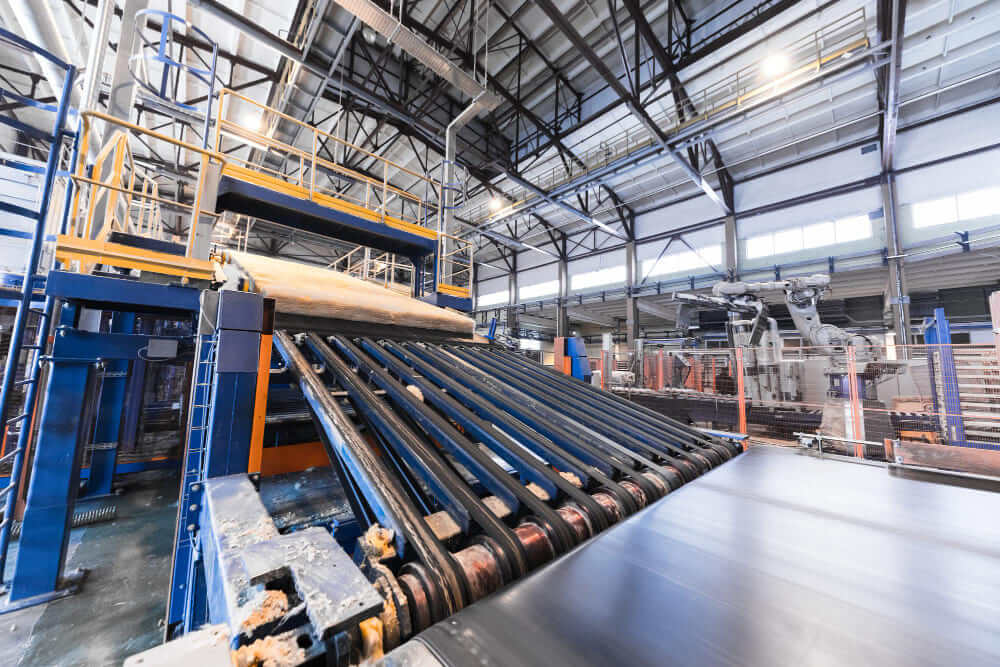
Hey there! Ever had to wait, tapping your foot impatiently, as a conveyor belt in the grocery store jutted and stammered along, taking its sweet time? Now imagine that on an industrial level, where slowdowns mean not just inconvenience, but potentially thousands of dollars lost. Yikes! The stakes are high, but fear not. We’re diving into the exciting world of conveyor belt systems. From choosing the right belt for the job to implementing smart tech, I’ll walk you through how to turbocharge efficiency and steer clear of downtime catastrophes.
First things first, let’s give a shout-out to the heroes making these smooth operations possible, like the experts at Wire Belt. They’ve spent years perfecting the art of designing, manufacturing, and installing specialized belts that keep industries buzzing, especially in food processing and industrial applications. Their custom solutions and technical support are key in keeping your conveyor systems in tip-top shape.
Step One: Choose the Right Belt and Components
Let’s hit the ground running with step uno: matching your belt type to the material and environment. Think of it like choosing the right shoes for the occasion. You wouldn’t wear flip-flops to a marathon, right? When your materials are heavy, hot, or abrasive, rubber or steel-cord belts step up—they’re like the work boots of the conveyor belt world. Meanwhile, in food processing where hygiene is king, opt for FDA/USDA-compliant belts that are non-toxic and a cinch to clean.
Size does matter! Make sure the belt width, speed, and motor size align with the load requirements. Undersized components tend to overheat and fail (talk about drag), while oversized ones can sap extra energy.
Push? Nope, Pull!
Here’s the thing: when possible, pull the load instead of pushing it. This setup is way more efficient—imagine trying to push a stubborn shopping cart rather than pulling it along. It’s easier, right? Head drives (where the belt is pulled) typically give you 50-70% more efficiency, reducing slippage and letting you carry more load with the same power. Who doesn’t want more for less?
Design It Right: Load Capacity and Flow
Ever overfill a cup just a tad too much and end up with a sticky spill? Conveyors feel the same way about overloading. Design your system with the required flow rate in mind, ensuring splices are strong and transfer guides in place to nip jams in the bud. Sensors, like weigh scales and blockage detectors, are the hawk-eyed guardians against excessive load.
Keep It Straight: Layout, Alignment, and Tension
Straight lines, friends—that’s the ticket here. Think of a tangled headphone cord versus a neatly wrapped one. Which is less likely to cause a headache? Less friction, fewer wear points, and less maintenance as a bonus. Keep that belt aligned like a pro; misalignment, believe it or not, can snuff out 3-5% of productivity. Use self-aligning idlers and V-guides to help with this.
Tension is tricky—too loose, and it slips; too tight, and you’re looking at damaged bearings and fatigued parts. Those awesome tensioning specs from manufacturers are there for a reason, so heed them well.
Energy-Savvy Drives and Controls
Why pay a king’s ransom for electricity when you can be energy-savvy? High-efficiency or premium-efficiency motors are your go-to here. DC brushless or servo motors can slash power consumption by 20-30% and keep operations cool as a cucumber. Pair these with Variable Frequency Drives (VFDs) to adjust speed to the load, and you’re cooking with gas—ramp up gently, run smooth, save some serious energy.
Get Smart: Monitoring and Automation
Welcome to the age of smart tech. With sensors and IoT, you can monitor temperature, vibration, and alignment like a hawk hovering over its prey. Suss out abnormalities before they become full-blown problems. A predictive maintenance setup will mean less emergency shutdowns and more planned action.
Inspection and Maintenance: The Lifeblood of Efficiency
Routine inspections are like your car’s regular tune-ups. Daily, monthly, quarterly—no stone left unturned. Keep an eye on everything: belt wear, tension, pullies, you name it. Treat your logs like they’re a medical record for your maintenance history, so you know exactly where to jump in and fix any hiccups.
Swap out worn idlers and splices proactively, and keep a stockpile of essential spares on hand. Proper lubrication—whether bearings or drives—can save you from a world of hurt.
Cleaning: Not Just for Clean Freaks
A clean belt is a happy belt. Dirt and debris are energy vampires—clean them off with scrapers, drip pans, or automated cleaning systems, especially in the food industry where Clean-In-Place (CIP) is non-negotiable. Keep the workspace tidy, too, with skirting and sealing to manage debris.
Just the Right Speed: Optimizing Operations
Remember Goldilocks? You want your conveyor speed to be just right. Too fast, and you’re spilling materials and hastening wear. Too slow, and you’re wasting potential. Adjust based on the material type and process requirements. Minimize starts and stops to avoid unnecessary mechanical stress—accumulation zones and smart controls can do wonders here.
Conveyor Ergonomics 101
Safety first, folks! Conveyor height should cater to the tallest operator, with platforms for shorter ones to avoid awkward reaching or bending. Ensure pull-cords, emergency stops, and guards are in pristine working condition—they’re the seatbelts of our conveyor system safety.
Create a Safety and Reliability Culture
Last but not least, a culture of safety and reliability is key. Train your operators to recognize early signs of trouble, and make it clear that if something feels off—it probably is. Encourage reporting, and enshrine safety in everyday practice.
Implementation: Begin With Eight Easy Steps
- Audit: Check current speeds, loads, downtime causes, and energy use.
- Fix Basics: Tackle alignment, tension, and cleaning first.
- Upgrade: Focus on the components that are most at risk of failure.
- Monitoring: Start with simple sensors on key drives.
- Standardize PM: Set clear checklists, intervals, and keep logs.
- Review Annually: Look at downtime, maintenance costs, and energy usage pre- and post-improvements.
- Wire Belt Wisdom: Lean on experts like Wire Belt to tailor solutions.
- Train and Implement: Ensure everyone’s on board and trained up.
Looking to improve those metal conveyor belt systems and optimize material handling? By keeping it real with your needs and tapping into the expertise of the folks at Wire Belt, you’re well on your way to a slick, efficient production line that’ll make any conveyor belt sing (well, metaphorically speaking!).
And there you have it! From belt selection to proactive maintenance, you’ve got a road map to conveyor success. Now go forth and roll in success.