













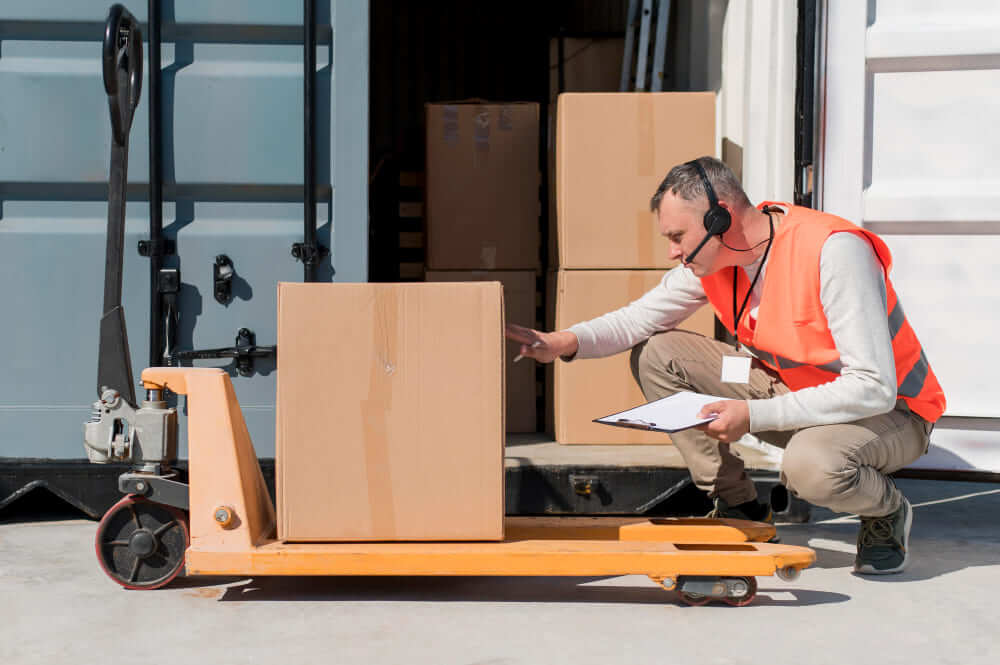
In warehouses, manufacturing facilities, and distribution centres worldwide, industrial trolleys form the backbone of daily operations. These seemingly simple pieces of equipment quietly enable the movement of goods, reduce manual labour strain, and keep production lines flowing smoothly. As we progress through 2025, the industrial trolley market—valued at approximately £900 million and growing at 4% annually—reflects the increasing sophistication and importance of efficient material handling solutions in modern business operations.
The Growing Importance of Material Handling Equipment
The global material handling equipment market crossed £140 billion in 2024 and is experiencing robust growth driven by e-commerce expansion, rising labour costs, and increasing automation. Within this broader landscape, industrial trolleys occupy a crucial niche as versatile, cost-effective solutions accessible to businesses of all sizes.
Driving Factors Behind Market Growth
Several key trends fuel demand for industrial trolleys. The surge in online shopping creates unprecedented pressure on warehouses and fulfilment centres to process orders efficiently and accurately. Same-day and next-day delivery expectations require streamlined material handling that allows staff to move products quickly without physical strain.
Rising labour costs prompt businesses to invest in equipment that reduces reliance on manual handling whilst improving efficiency. Industrial trolleys enable one person to move loads that would otherwise require multiple workers, directly addressing cost pressures whilst maintaining productivity. Additionally, workplace safety regulations increasingly emphasise ergonomic solutions that minimise injury risk, making properly designed trolleys essential rather than optional.
Types of Industrial Trolleys and Their Applications
Modern material handling demands have produced diverse trolley designs, each optimised for specific tasks and environments.
Platform Trolleys
Platform trolleys feature flat surfaces ideal for transporting boxes, equipment, and irregularly shaped items. Their versatility makes them popular across warehouses, manufacturing plants, and retail stores where movement of heavy items occurs frequently. These trolleys typically accommodate loads ranging from 150kg to 500kg, with industrial-grade versions handling even greater weights.
Their simple design allows quick loading and unloading, whilst their manoeuvrability enables navigation through narrow aisles and congested work areas. For businesses requiring reliable, straightforward material transport, platform trolleys represent the workhorse of daily operations.
Shelf Trolleys
Multi-level shelf trolleys provide vertical storage whilst maintaining mobility, making them invaluable for picking operations where multiple items must be collected during a single journey. E-commerce fulfilment centres particularly benefit from these designs, as staff can gather numerous orders without repeatedly returning to staging areas.
The vertical configuration maximises space efficiency, allowing more items to be transported per trip whilst maintaining organisation and accessibility. Healthcare facilities, libraries, and retail stockrooms also rely heavily on shelf trolleys for efficient distribution and restocking operations.
Cage Trolleys
Security-focused operations benefit from cage trolleys featuring mesh or solid walls that prevent items from falling whilst providing visibility of contents. These trolleys excel when transporting valuable items, small parts prone to loss, or goods requiring containment during transit.
Logistics providers moving parcels between loading docks and sorting areas, retail operations transferring stock from warehouses to shop floors, and manufacturing facilities transporting components between workstations all rely on cage trolleys’ secure, visible storage.
Specialist and Custom Solutions
Beyond standard categories, specialised trolleys address unique operational requirements. Service trolleys with multiple compartments suit maintenance teams carrying tools and supplies. Lightweight aluminium trolleys offer corrosion resistance and easy manoeuvrability in food processing environments. Custom-designed solutions from a specialist trolley manufacturer can address specific dimensional requirements, load capacities, or environmental challenges that standard products cannot accommodate.
Key Features Shaping Modern Trolley Design
Ergonomic Innovation
Workplace safety emphasis drives continuous improvement in trolley ergonomics. Adjustable handle heights accommodate operators of varying statures, reducing strain on backs and shoulders. Smooth-rolling wheels—particularly those featuring non-marking, shock-absorbing properties—minimise the force required to initiate movement and maintain momentum.
Lightweight materials reduce overall trolley weight without compromising load capacity, further decreasing physical demands on operators. These ergonomic considerations directly translate to reduced workplace injuries, lower compensation costs, and improved employee satisfaction.
Material and Construction Advances
Modern trolleys increasingly incorporate lightweight composites and recyclable materials that provide strength whilst reducing weight. Aluminium alloys offer excellent strength-to-weight ratios alongside natural corrosion resistance, making them ideal for pharmaceutical, food processing, and outdoor applications.
Steel construction remains standard for heavy-duty industrial applications requiring maximum durability and load capacity. Surface treatments including powder coating and galvanisation protect against environmental damage whilst maintaining appearance over extended service lives.
Technology Integration
Smart trolleys represent the cutting edge of material handling innovation. IoT connectivity enables real-time location tracking throughout facilities, preventing loss whilst optimising fleet management. Integration with warehouse management systems allows automated inventory updates as trolleys move goods between locations.
Some advanced models feature built-in scales for weight verification during picking operations, reducing errors and improving quality control. Whilst these sophisticated features remain concentrated in high-volume logistics operations, their adoption is expanding as technology costs decrease and benefits become more apparent.
Selecting the Right Trolley for Your Needs
Assessing Operational Requirements
Effective trolley selection begins with thorough assessment of specific needs. Consider the typical weight and dimensions of loads being transported—overestimating required capacity prevents damage and safety issues, whilst right-sizing avoids unnecessary expense and bulk.
Evaluate your working environment. Smooth warehouse floors accommodate standard wheels, whilst rough surfaces or outdoor use require larger, more robust wheel designs. Space constraints influence ideal trolley dimensions and manoeuvrability requirements. High-volume operations benefit from durability-focused designs that withstand continuous daily use, whilst occasional-use scenarios may prioritise cost efficiency.
Quality Versus Cost Considerations
Industrial trolleys range from budget options under £100 to sophisticated custom solutions exceeding £1,000. The optimal choice balances initial investment against expected service life and operational impact.
Budget trolleys suit light-duty applications with infrequent use, but typically require replacement within 1-2 years under demanding conditions. Mid-range options (£200-500) provide solid construction and reliability suitable for most general industrial applications, offering better long-term value through extended service life. Premium trolleys justify their cost through superior materials, specialised features, and exceptional durability that may extend service life to a decade or more.
Frequently Asked Questions
What load capacity do I need for my industrial trolley?
Assess your typical loads, then select capacity exceeding your heaviest regular requirement by 20-30%. This safety margin prevents overloading whilst accommodating occasional heavier items. Standard platform trolleys typically range from 150kg to 500kg capacity, whilst heavy-duty industrial models can handle 1,000kg or more. Remember that capacity ratings assume even weight distribution—concentrate loads centrally for optimal performance and safety.
How do wheel types affect trolley performance?
Wheel selection dramatically impacts manoeuvrability, noise levels, and floor protection. Polyurethane wheels offer excellent durability with minimal maintenance whilst protecting floor surfaces from damage. Rubber wheels provide superior shock absorption and quieter operation ideal for noise-sensitive environments. Nylon wheels withstand harsh chemicals and extreme temperatures but create more noise. Larger diameter wheels (150mm+) roll more easily over obstacles and uneven surfaces than smaller alternatives.
Can trolleys be customised for specific applications?
Absolutely. Reputable manufacturers offer extensive customisation including specific dimensions to fit unique spaces or equipment, specialised wheel configurations for challenging surfaces, custom load capacities for exceptionally heavy or light items, material selection based on environmental factors, and integration of shelves, compartments, or security features. Custom solutions typically require longer lead times and higher investment but provide perfect matches for unusual requirements.
How can I extend my industrial trolley’s service life?
Regular maintenance significantly extends trolley longevity. Inspect wheels monthly for wear, damage, or debris accumulation, replacing worn wheels promptly to prevent handling issues. Lubricate wheel bearings and moving parts according to manufacturer recommendations. Clean surfaces regularly, particularly in food processing or pharmaceutical environments requiring strict hygiene. Store trolleys in dry locations when not in use to prevent corrosion. Address damage immediately—small issues quickly become major problems under operational stress.
Are electric or motorised trolleys worth the investment?
Motorised trolleys justify their premium cost in specific circumstances. Operations involving very heavy loads (500kg+), long distances between loading and unloading points, or environments with inclines benefit significantly from powered assistance. These trolleys reduce operator fatigue, improve safety by eliminating manual pushing and pulling strain, and can increase productivity by enabling faster transport speeds. However, they require charging infrastructure, regular maintenance, and higher initial investment. Evaluate whether your operational volume and physical demands warrant the additional complexity and cost.
Conclusion
Industrial trolleys in 2025 represent far more than simple wheeled platforms—they embody decades of design refinement addressing real-world operational challenges. From basic platform models enabling efficient goods movement to sophisticated smart trolleys with IoT connectivity, these essential tools adapt to diverse requirements across countless industries.
Success in material handling increasingly depends on selecting equipment that balances functionality, ergonomics, and cost-effectiveness. Whether your operation requires standard solutions or custom designs addressing unique challenges, understanding available options and their capabilities ensures optimal choices that enhance efficiency, protect worker wellbeing, and deliver genuine return on investment.
As automation continues advancing and workplace expectations evolve, industrial trolleys will remain fundamental to effective material handling. Their combination of simplicity, versatility, and continuous improvement ensures they’ll continue serving as indispensable tools enabling modern commerce and industry well into the future.