















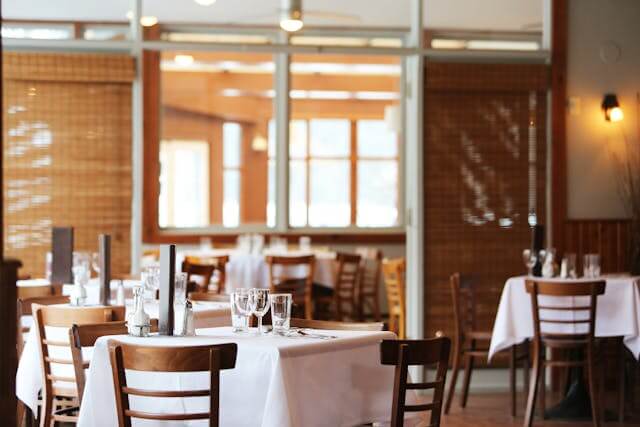
Understanding Floor Plans Before Placing Restaurant Chairs
Before you begin placing restaurant chairs, it’s essential to evaluate your floor plan. A well-thought-out layout maximizes available space while ensuring comfort, flow, and compliance with safety regulations. Start by measuring your total dining area, identifying permanent fixtures like walls, columns, service stations, and entrances. Then, map out the number of tables and chairs needed based on your target seating capacity.
Understanding the shape and size of your space helps determine the best configuration. Square rooms may allow more flexible arrangements, while narrow or L-shaped areas require more strategic planning. Keep in mind that restaurant chairs need adequate space to pull in and out without disrupting nearby diners or staff movement. Use your floor plan as a guide to visualize traffic flow, prevent overcrowding, and ensure that each guest has enough room to dine comfortably without feeling cramped.
Optimizing Walkways and Aisles with Strategic Restaurant Chair Placement
One of the most critical elements in chair arrangement is maintaining clear and functional walkways. When restaurant chairs are placed too closely together, they obstruct pathways and hinder both customer experience and staff efficiency. Industry standards recommend leaving at least 18 inches between the back of each chair and adjacent objects to allow easy movement. Main walkways should have a width of 3–4 feet to accommodate servers carrying trays or guests navigating to their tables.
Strategically spacing your restaurant chairs creates a more open, inviting environment and reduces congestion during peak hours. Consider high-traffic zones—such as those near restrooms, exits, and the kitchen—and avoid placing chairs where guests or employees constantly pass by. For outdoor or compact venues, folding or stackable restaurant chairs can offer flexibility without compromising on flow. Smart spacing not only enhances functionality but also contributes to a pleasant and efficient dining experience.
Balancing Comfort and Capacity with Your Restaurant Chairs
Maximizing seating capacity is important, but not at the expense of customer comfort. Striking a balance between the number of restaurant chairs and the overall dining experience is key to long-term success. Overcrowding can make your space feel chaotic, discourage repeat visits, and even pose safety risks. Conversely, underutilizing space may result in lost revenue opportunities.
Start by evaluating your chair dimensions and the type of service you offer. Fine dining establishments may space restaurant chairs further apart to create a sense of privacy, while fast-casual spots may use tighter arrangements to accommodate a higher turnover rate. Think about your peak hours and whether your seating encourages diners to linger or move quickly. Chairs with armrests or wide backs require more room, while armless, slim designs can help you fit more guests without compromising comfort. The goal is to find the sweet spot between efficiency and hospitality.
Adapting Restaurant Chair Layouts for Different Dining Styles and Events
The flexibility of your restaurant chair layout can significantly impact how well your space functions for various occasions. A fixed layout may work for daily operations, but being able to adapt it for group reservations, events, or seasonal needs can increase your venue’s versatility and appeal. Modular furniture, including lightweight restaurant chairs, makes it easier to rearrange seating quickly without disrupting the entire dining area.
For example, communal seating arrangements work well for casual eateries or large parties, while more intimate setups are ideal for romantic or fine dining experiences. During events or special promotions, adjusting your restaurant chairs to form banquet-style seating, lounge areas, or outdoor configurations can enhance guest interaction and satisfaction. Being flexible with your layout shows attentiveness to customer needs and allows your space to serve a wider range of clientele and functions throughout the year.
Conclusion: Smart Chair Arrangement Enhances Dining Efficiency
Arranging restaurant chairs effectively goes beyond aesthetics—it directly impacts comfort, functionality, and profitability. A thoughtful layout ensures optimal use of space while promoting smooth traffic flow, safety, and customer satisfaction. Whether you’re working with a compact cafe or a spacious dining hall, the right placement of restaurant chairs can significantly improve the dining experience and operational efficiency.
Start by analyzing your floor plan, then focus on smart spacing, traffic management, and guest comfort. Don’t overlook the importance of flexibility—being able to adapt your layout for different dining styles or events keeps your space dynamic and versatile. When restaurant chairs are arranged with care and strategy, they help create a seamless atmosphere that supports both your brand and your bottom line. The right layout truly transforms a space into a welcoming and efficient environment for all.